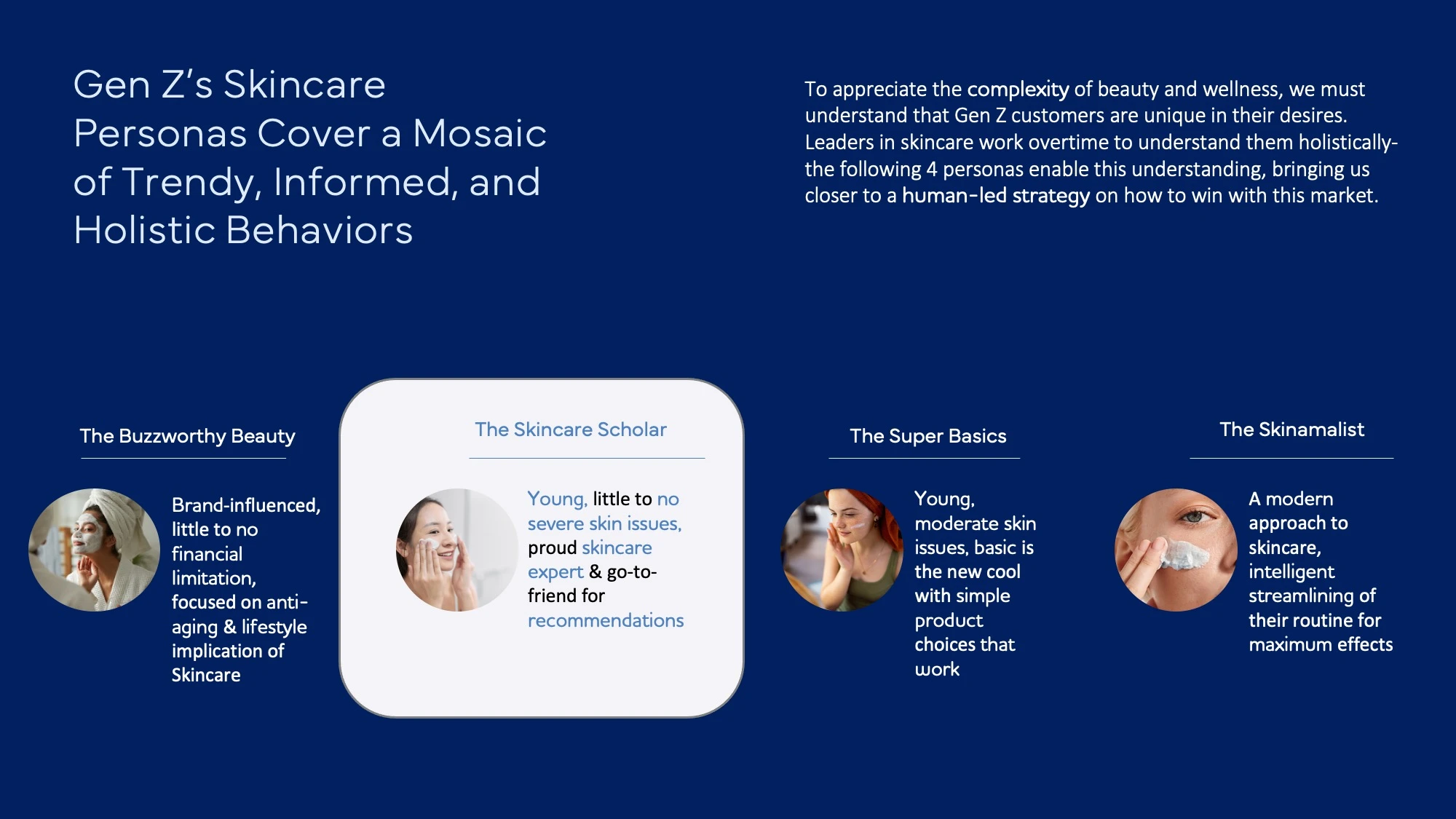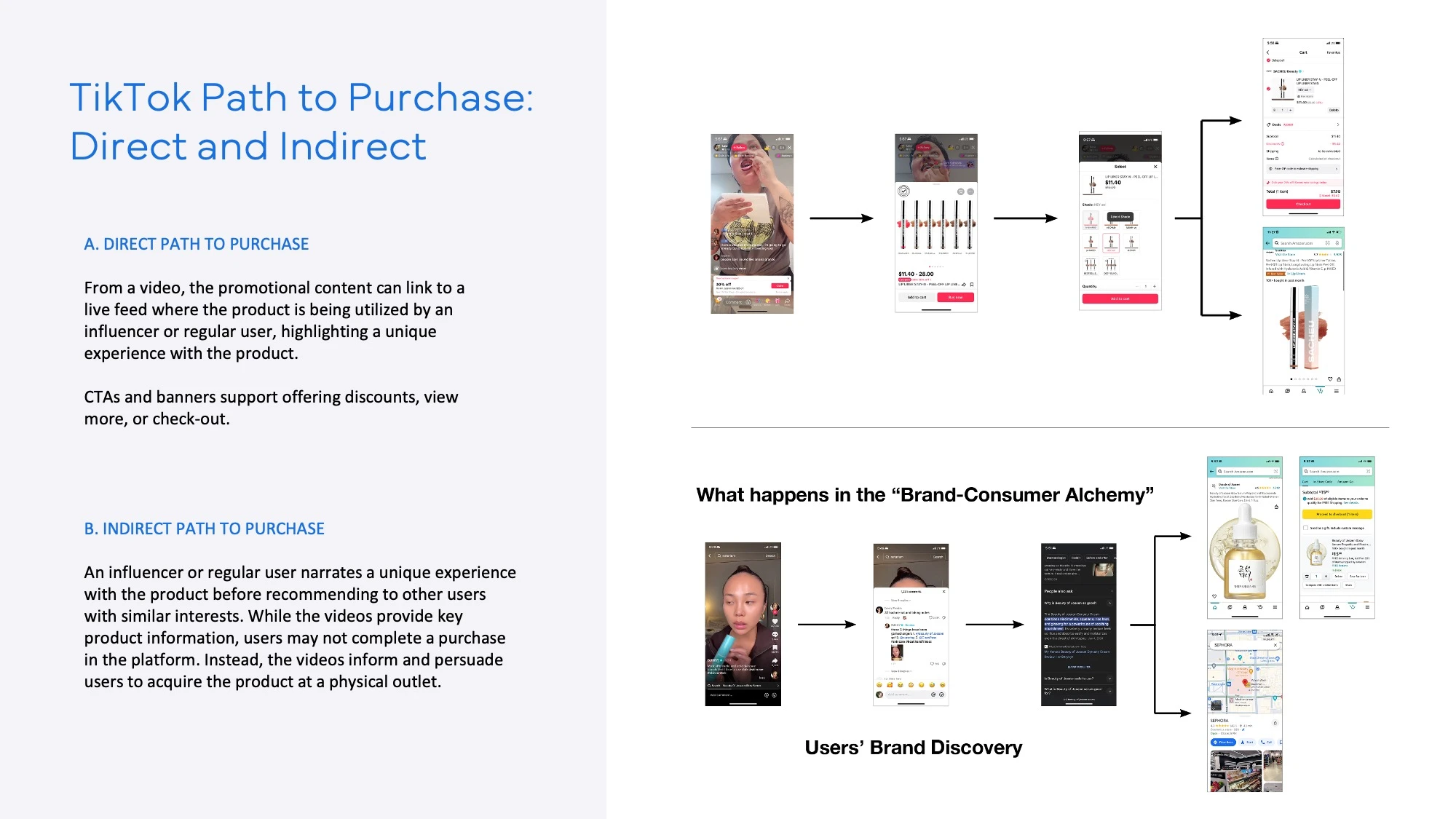
Human Agentic Orchestration
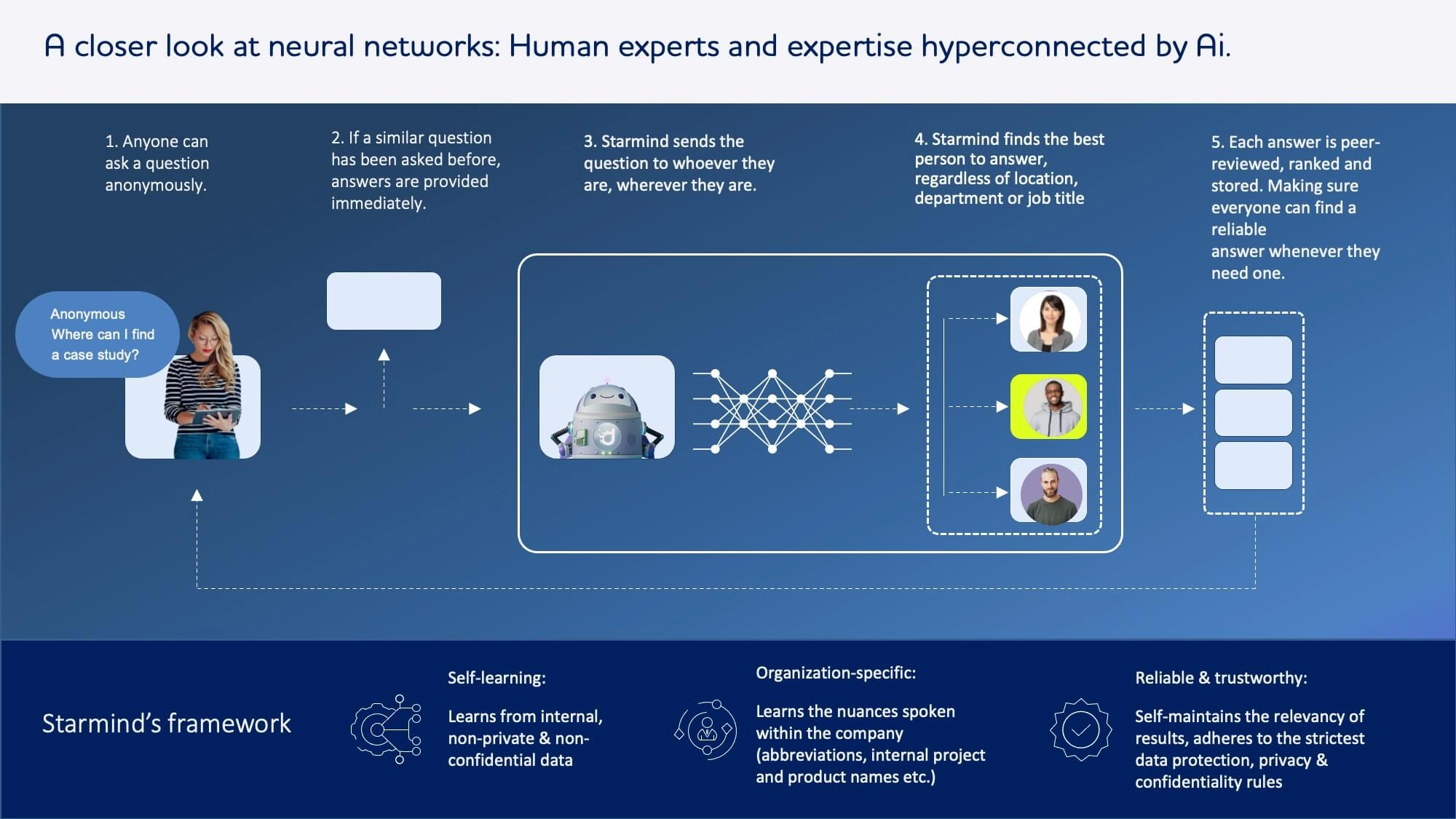
Prompt to output: A human-agentic framework
An example of my multi-agent system, from compiling input data, to prompt to requirements, to code and artifact.
- A. Human References and context aggregation
- B. Agent 2 Create requirements and specs
- C. Agent 3: Create code from specs
- D. Human Validate output for human approval
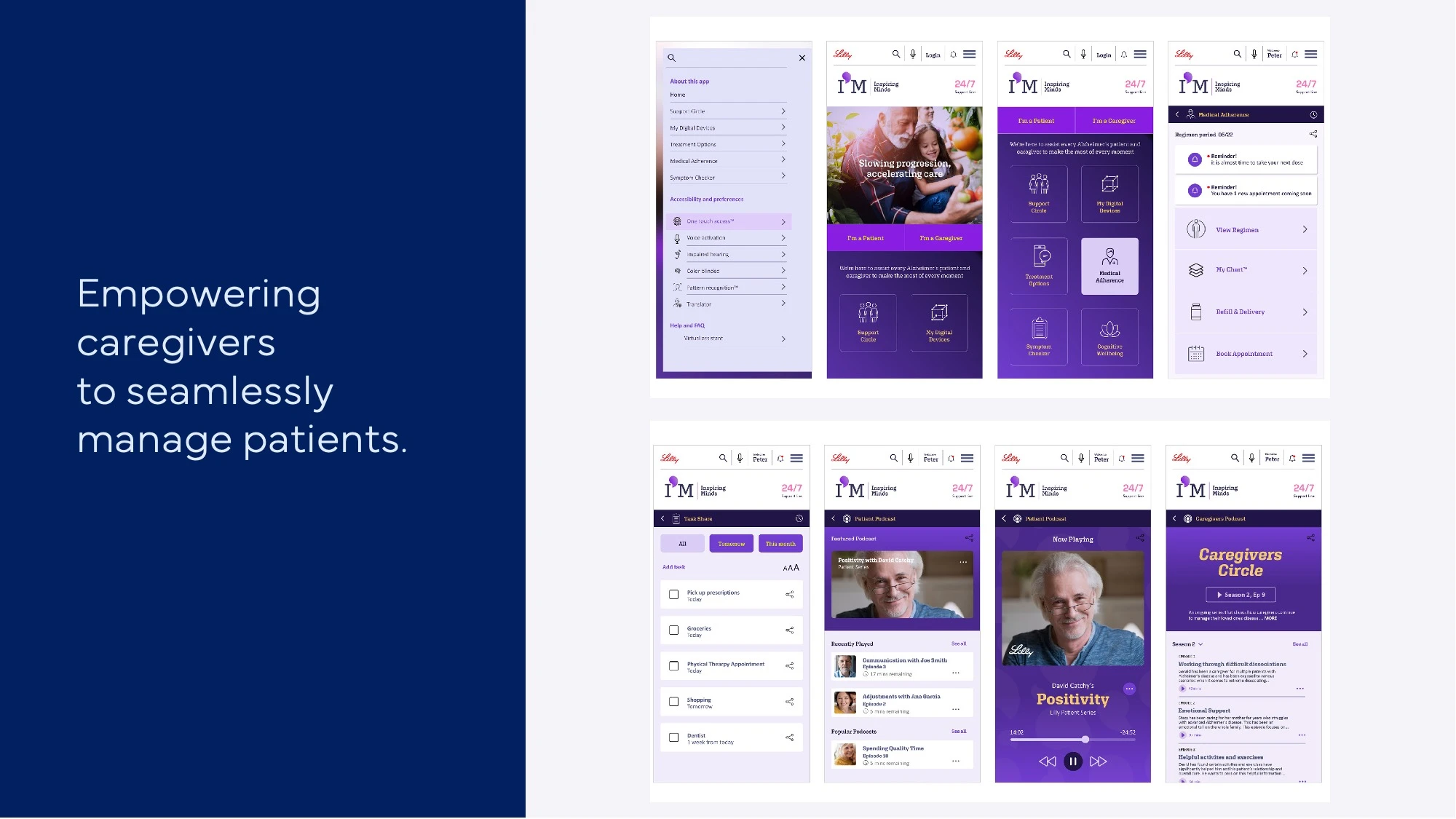
Design to code AI Orchestration:
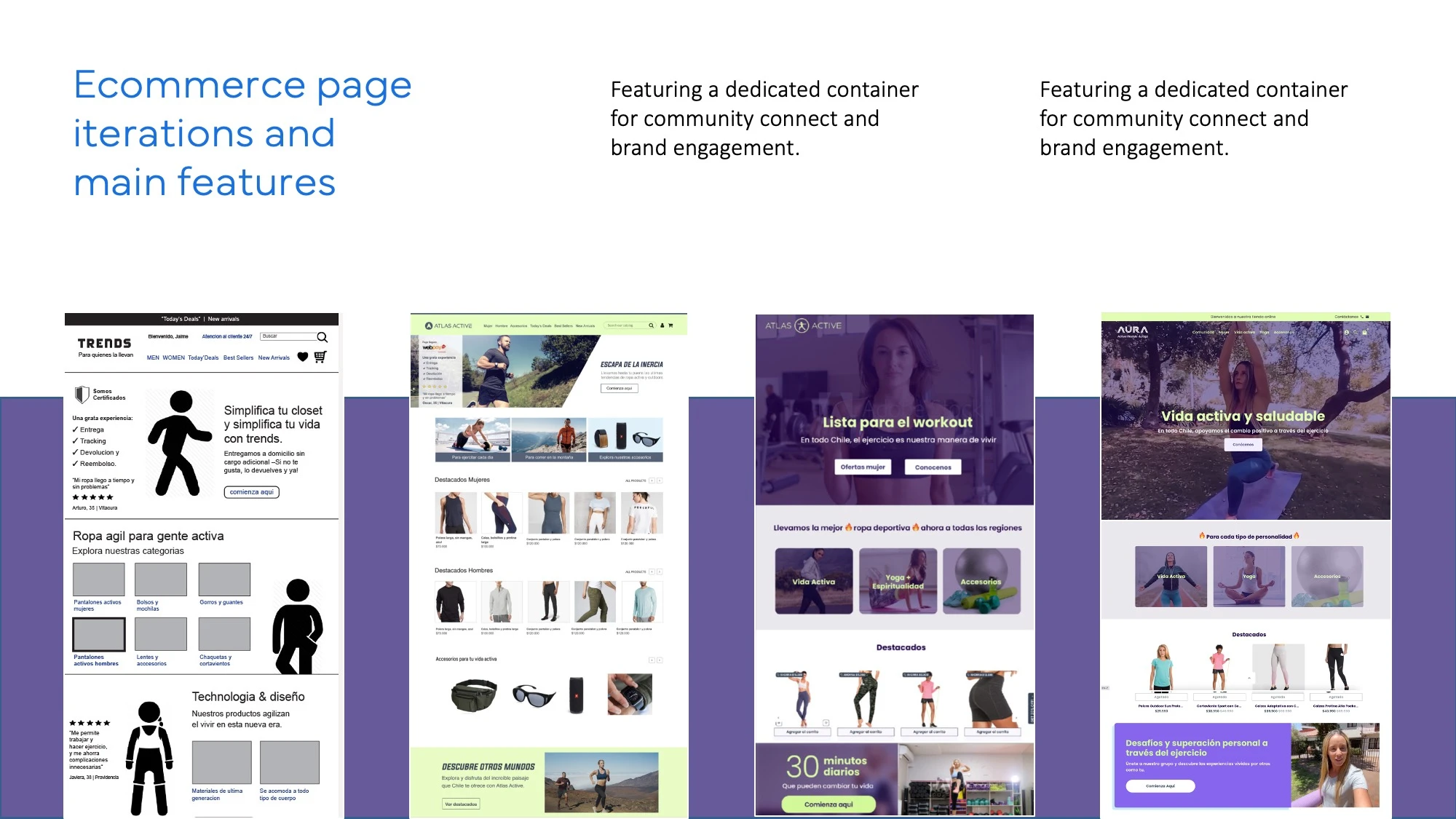
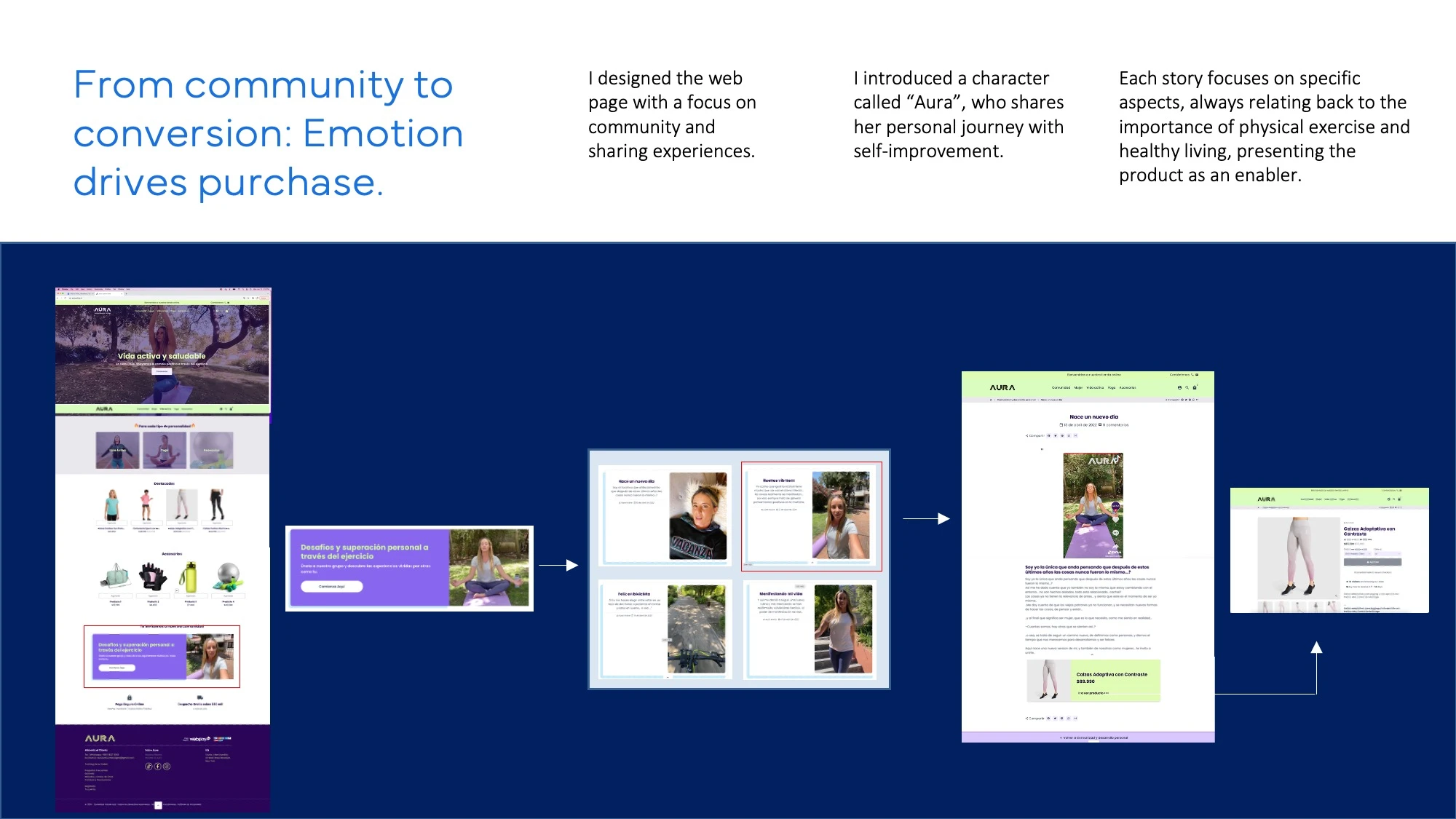
Transforming business requirements into concrete wireframes and artifacts
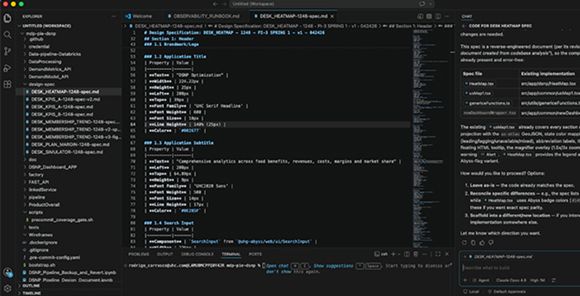
Agentic framework outline, simplified view:
- Human gathers references
- Agent creates requirements
- Agent, creates code
- Human validates approves
- Agent, builds final


A Significant Increase in Efficiency
This agentic process can create significant improvements in efficiency, Potentially, it allows you to maintain the current output utilizing less resources, or to increase output with current resources.
+47%
- UI Concepts
- AI Agents
- Automation efficiency